

UC San Diego’s fall plan continues to evolve, informed by the university’s Return to Learn program. We invited students, faculty and staff to submit their questions about the importance of
Turds tell tales, and UC San Diego is listening. As the beginning of the school year nears, the university is preparing to ramp up its testing of sewage for the

“You’re absolutely filthy!” This admonishment of misspent youthful summer afternoons should be considered a compliment for young and old alike in these stressful times, if the filth comes from the
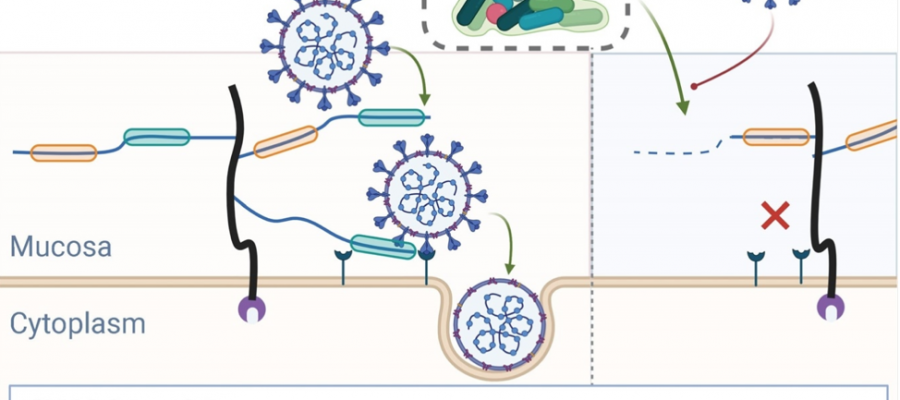
An international team of researchers has conducted a study showing that differences in the human microbiome may influence the ability of severe acute respiratory syndrome coronavirus 2 (SARS-CoV-2) to infect
UC San Diego’s fall plan is continually evolving, informed by the university’s Return to Learn program. We invited students, faculty and staff to submit their questions about how the university

Research groups around the globe are looking to see whether urban wastewater monitoring can be integrated into surveillance systems for SARS-CoV-2 and other pathogens.
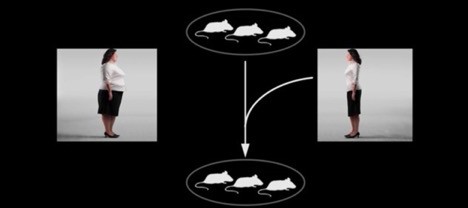
To live long, healthy lives, research suggests looking towards the gut microbiome to ward off chronic diseases like high blood pressure, heart disease, cancer, or type 2 diabetes. The three-pound

A new study finds that proposal to create a “microbial Noah’s ark” to protect the long-term health of humanity is feasible and should move forward into a pilot project phase, that would

A consortium that includes many of San Diego’s top medical and scientific research institutes has launched a large-scale COVID-19 screening effort to better understand the spread and prevalence of the virus in
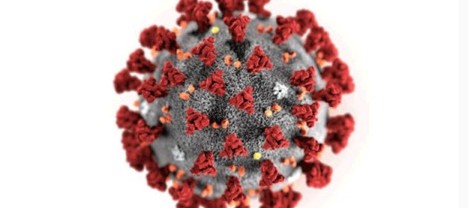
UC San Diego announced Thursday a $350,000 donation from Jean and Gary Shekhter, which will help fund San Diego Epidemiology and Research for COVID-19 Health, a collaborative research study aimed